
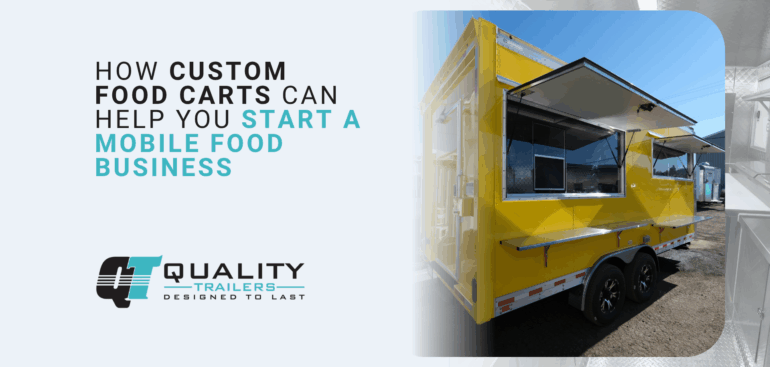
How Custom Food Carts Can Help You Start a Mobile Food Business

How Custom Food Carts Can Help You Start a Mobile Food Business

Starting a mobile food business has become an increasingly attractive option for aspiring entrepreneurs looking to break into the culinary industry. Custom food carts offer a unique opportunity to launch a food venture with lower overhead costs compared to traditional brick-and-mortar restaurants. These mobile units provide flexibility, mobility, and the ability to test different markets before committing to a permanent location. Understanding how these versatile platforms can support your business goals is essential for anyone considering this entrepreneurial path.

Understanding the Mobile Food Business Model

The mobile food industry has experienced significant growth over the past decade, transforming from simple hot dog stands to sophisticated culinary operations. Custom food carts represent an evolution in this sector, offering entrepreneurs a chance to create branded, fully functional kitchens on wheels. Unlike standardized units, these personalized platforms allow business owners to design their workspace according to their specific menu requirements and operational needs.

Mobile food businesses benefit from reduced startup costs compared to traditional restaurants. There’s no need to invest in expensive real estate or commit to long-term leases. The flexibility of moving to different locations allows operators to follow customer demand, attend special events, and adjust their business strategy based on performance. This adaptability makes food carts an ideal testing ground for new concepts and menu items.

The Advantages of Custom Design

Choosing custom food carts for sale over pre-built options provides significant advantages for your business. A customized unit can be tailored to your exact specifications, ensuring that every inch of space serves a purpose. The layout can be optimized for your specific menu, whether you’re serving gourmet coffee, authentic tacos, or specialty desserts. This level of personalization extends to equipment selection, storage solutions, and workflow efficiency.

Working with experienced custom food trailer builders ensures that your cart meets all necessary health and safety regulations from the start. Professional manufacturers understand the complexities of building food service equipment that complies with local codes and passes health inspections. This expertise saves time and prevents costly modifications down the road.

Essential Features for Success

When exploring mobile food cart for sale options, certain features prove essential for operational success. Adequate refrigeration space keeps ingredients fresh throughout service hours. Proper ventilation systems ensure a comfortable working environment while meeting code requirements. Sufficient power supply, whether through generator or electrical hookup, supports all equipment needs without interruption.

Water systems must include both fresh water storage and grey water collection, typically with an 80-gallon fresh water tank and a 135-gallon grey water tank mounted to the frame. These capacities support extended operating hours without requiring constant refills or dumps. Quality food carts also incorporate durable materials that withstand daily use and various weather conditions.

Planning Your Layout

The interior configuration of your cart directly impacts operational efficiency. A well-planned layout minimizes unnecessary movement, reduces service times, and improves the customer experience. Key considerations include:

  • Strategic placement of cooking equipment for optimal workflow
  • Accessible storage for frequently used ingredients and supplies
  • Efficient service window design for customer interactions
  • Adequate prep space for food assembly and plating

Professional designers can help visualize your space through CAD drawings, showing exactly how equipment fits together before construction begins. This planning phase allows for adjustments and ensures the final product meets your operational needs.

Navigating the Permitting Process

Successfully launching your mobile food business requires understanding and completing the permitting process. Each jurisdiction has specific requirements for food cart operations, including health department approvals, business licenses, and mobile vendor permits. Working with builders who provide complete plan sets helps streamline this process, as these documents are essential for health department pre-approval.

The permitting timeline typically begins once you’ve selected your design and made your initial deposit. Within one to two weeks, your floor plan should be ready for review and approval. After approving the floor plan, full specifications and drawings are prepared for submission to your local health department. This proactive approach identifies potential issues early, allowing for resolution before construction is complete.

Financial Considerations

Understanding the financial aspects of purchasing and operating a food cart helps set realistic expectations. When looking at food cart trailer for sale listings, prices vary based on size, features, and customization level. The investment typically requires a structured payment schedule: a 50% down payment to initiate the project, 40% due upon final shop entry, and the remaining balance payable upon completion.

Financing options are available through third-party lenders who specialize in food service equipment. These financial partners understand the unique needs of mobile food businesses and can structure loans accordingly. Additionally, local credit unions often provide competitive rates for small business ventures.

Equipment Selection and Installation

Choosing the right equipment for your cart impacts both initial investment and long-term operating costs. Professional-grade appliances designed for mobile use offer reliability and efficiency. Refrigeration units with bottom-mount or side-mount compressors provide easier maintenance access and better airflow in the confined space of a food cart.

Many manufacturers charge $450 per piece for installing customer-supplied equipment, with cooking equipment installation including gas lines, testing, and proper securing. Refrigeration equipment installation includes testing, wall ventilation, and unit securing. This professional installation ensures everything works correctly and meets safety standards.

Building Your Brand Identity

Your food cart serves as a mobile billboard for your business, making visual presentation crucial for attracting customers. While standard color options are included in base pricing, many operators choose to add custom graphics and wraps to create a memorable brand presence. These eye-catching designs help your cart stand out in crowded events and high-traffic locations.

Developing a cohesive brand identity extends beyond just the cart’s exterior. Menu design, social media presence, and customer service all contribute to building recognition and loyalty. Your mobile unit’s appearance should reflect your brand’s personality and give potential customers a preview of the quality they can expect.

Location Strategy and Mobility

One of the primary advantages of food carts is their mobility, allowing you to position your business where customers congregate. Successful operators research potential locations carefully, considering foot traffic patterns, competition, and demographic factors. Popular spots include farmers markets, business districts during lunch hours, and special events throughout the year.

Understanding local regulations regarding mobile food vendors is essential, as different areas may have restrictions on where and when you can operate. Some locations require separate permits or limit the number of vendors allowed. Building relationships with property owners and event organizers can lead to exclusive opportunities and prime positioning.

Operational Efficiency

Running a successful mobile food business requires attention to operational details that impact profitability. Efficient inventory management prevents waste while ensuring you don’t run out of popular items. Streamlined prep processes, whether done in the cart or at a commissary kitchen, save time during service hours. Regular maintenance schedules for equipment prevent unexpected breakdowns that could cost you business.

Training procedures ensure consistent food quality and service, even if you expand to multiple units or hire staff. Developing standard operating procedures for opening, service, and closing routines creates consistency and makes it easier to train new team members. These systems become increasingly important as your business grows.

The Build Timeline

Understanding the construction timeline helps you plan your business launch appropriately. Standard build-out time runs approximately 3-4 months from the down payment, though more complex projects may require additional time. Projects involving specialized features like pizza ovens or porch designs need consultation with the sales manager to determine accurate timelines.

During this period, your in-house designer creates detailed plans showing equipment placement, plumbing connections, electrical systems, and ventilation requirements. These comprehensive drawings serve multiple purposes: they guide the construction process, satisfy permitting requirements, and provide you with a clear understanding of your finished cart.

Menu Development Considerations

Your menu significantly influences your cart’s design requirements. A coffee-focused operation needs different equipment than a taco stand or smoothie bar. When exploring how to start a mobile food trailer business, consider menu items that travel well, can be prepared efficiently in limited space, and offer good profit margins.

Simplicity often proves more profitable than extensive menus in mobile operations. A focused offering allows for faster service, less inventory complexity, and mastery of core recipes. As your business grows and you understand customer preferences, you can thoughtfully expand your menu offerings.

Insurance and Liability Protection

Protecting your investment and business through proper insurance coverage is non-negotiable. Mobile food operations typically require general liability insurance, which covers accidents or injuries involving customers. Vehicle insurance protects your cart during transport and while parked. Property insurance covers equipment and inventory in case of theft or damage.

Many locations and events require proof of insurance before allowing you to operate, with specific minimum coverage amounts. Working with insurance agents who understand mobile food businesses ensures you have appropriate coverage levels without paying for unnecessary add-ons.

Scaling Your Business

Starting with food carts trailers for sale represents just the beginning of potential growth. Many successful mobile food entrepreneurs eventually expand to multiple units, brick-and-mortar locations, or catering services. The skills and systems developed while operating a cart translate well to these larger ventures.

Some operators choose to franchise their concept or license their brand to other entrepreneurs. Others use their mobile success to secure financing for permanent restaurants. The flexibility and relatively lower risk of cart operations make them an excellent proving ground for culinary concepts before making larger investments.

Maintenance and Longevity

Investing in quality construction pays dividends through years of reliable service. Professional manufacturers use durable materials designed to withstand daily use and various weather conditions. Aluminum roofing with crowned design prevents water pooling, while proper sealing protects against moisture intrusion that could damage interior components.

Establishing a regular maintenance routine extends your cart’s lifespan significantly. This includes daily cleaning protocols, weekly deep cleaning, monthly equipment checks, and annual professional inspections. Addressing minor issues promptly prevents them from becoming major problems that could sideline your business.

Why Choose Quality Trailers Inc for Your Custom Food Cart Project

Quality Trailers Inc brings over 23 years of industry experience to every mobile food cart project. Since 2010, our family-owned business has specialized in manufacturing outstanding food carts that exceed client expectations. We understand that entrepreneurs need more than just a mobile kitchen; they need a reliable, compliant unit that delivers results every time they roll out for service.

Every cart rolling off our floor is permitted and built up to code, with our designer and project manager tracking every build stage to ensure compliance with health department requirements. Our background in construction trailers since 2001 provides a foundation of craftsmanship and durability that sets our units apart. We pioneered solar panel integration for food trailers in 2016, demonstrating our commitment to innovation and efficiency in mobile food service.

Our customized approach means your cart reflects your specific operational needs and brand identity. We follow the highest industry standards throughout the design and construction process, guaranteeing customer satisfaction. From initial consultation through final delivery, our team provides the expertise and support that turns your mobile food business vision into reality.

Frequently Asked Questions

What type of food cart is best for beginners?

For those new to the mobile food industry, a smaller cart focusing on a limited menu often provides the best starting point. This approach minimizes initial investment, simplifies operations, and allows you to learn the business fundamentals. As you gain experience and understand your market, you can expand to larger units or more complex menu offerings.

How long does it take to recoup the investment in a food cart?

Recovery time varies based on several factors including initial investment, operating costs, location strategy, and menu pricing. Many operators report breaking even within 12-18 months with consistent operations and smart business practices. Those operating in high-traffic areas or at premium events may see faster returns.

Do I need a commissary kitchen in addition to my food cart?

Many jurisdictions require mobile food operators to have access to a licensed commissary kitchen for food preparation, storage, and cart servicing. These facilities provide the space and resources for tasks that cannot be completed in your cart. Check with your local health department to understand specific requirements in your area.

Can I operate my food cart year-round?

Year-round operation depends on your climate, target market, and business model. Some operators schedule around seasonal events and favorable weather, while others find indoor locations or covered markets for off-season months. Diversifying your location strategy and booking strategies helps maintain consistent income throughout the year.

What’s the difference between a food cart and a food trailer?

The primary difference lies in size and mobility. Food carts are typically smaller, more maneuverable units that can be towed by standard vehicles. Food trailers are larger, offering more workspace and equipment capacity but requiring more powerful tow vehicles. Both serve similar purposes but suit different operational scales and business models.
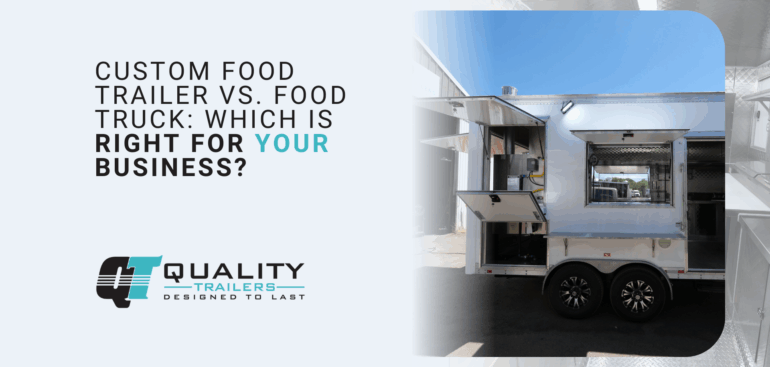
Custom Food Trailer vs. Food Truck: Which Is Right for Your Business?

Custom Food Trailer vs. Food Truck_ Which Is Right for Your Business

Starting a mobile food business requires making smart investment decisions from day one. The choice between a custom food trailer and a food truck will shape your entire operation, from startup costs to daily maintenance requirements.

Understanding the key differences helps entrepreneurs make informed decisions that align with their budget, business goals, and operational preferences. The mobile food industry continues expanding, with successful operators focusing on strategic equipment choices that maximize profitability while minimizing operational complexity.

Initial Investment and Startup Costs

The financial gap between trailers and trucks creates different pathways to profitability. Food trailers cost approximately half the price of food trucks. This significant cost difference impacts your entire business model and growth trajectory.

This startup costs difference affects your break-even timeline significantly. Lower initial investment means faster payback periods and more working capital available for inventory, marketing, and prime location fees. Smart entrepreneurs understand that preserving capital during the startup phase provides crucial flexibility for unexpected opportunities and challenges.

Financing Considerations

Traditional lenders often view trailers as more favorable investments due to lower risk exposure. The reduced loan amounts make approval processes smoother and monthly payments more manageable for new entrepreneurs entering the mobile food business.

Equipment financing options vary significantly between trailers and trucks. Trailers qualify for equipment loans with favorable terms, while food trucks often require commercial vehicle financing with higher interest rates and stricter qualification requirements. Building profitable food businesses starts with understanding these financial fundamentals.

Hidden Cost Analysis

Beyond purchase prices, ongoing expenses create substantial differences between operating models. Food trucks require commercial vehicle insurance, which costs significantly more than trailer insurance. Registration fees, inspection requirements, and licensing vary by state but consistently favor trailers over motorized units.

Fuel costs represent another major consideration. Trucks consume fuel whether serving customers or traveling to locations, while trailers only require fuel for transportation between sites. This efficiency advantage compounds over time, especially for businesses serving multiple locations weekly.

Space Efficiency and Trailer Advantages

Food trucks appear mobile and convenient, but trailers offer superior space utilization. Trailers provide more interior space and accommodate multiple service windows. This translates to larger storage capacity, expanded menu options, and the ability to serve more customers simultaneously.

The space advantage becomes crucial during peak service hours when efficiency determines revenue potential. Professional kitchen designers consistently recommend trailers for operators planning complex menus or high-volume service requirements.

Equipment Installation Benefits

Trailers dedicate every square foot to food preparation and service, while trucks must accommodate engines, transmissions, and driver areas. This allows for:

  • Larger commercial-grade equipment installation
  • Enhanced storage solutions for ingredients and supplies
  • Multiple prep stations for complex menu items
  • Better workflow organization for staff efficiency

Design Flexibility and Customization

Custom trailer designs accommodate unique business requirements more effectively than truck conversions. Choosing the right food trailer involves understanding how design flexibility impacts long-term operations and revenue potential.

Trailer customization options include specialized ventilation systems, multiple cooking zones, expanded refrigeration capacity, and customer-facing design elements that enhance brand visibility. These modifications prove difficult or impossible in truck configurations due to structural limitations.

Operational Flexibility and Maintenance Comparison

Equipment breakdowns affect trailers and trucks differently. When your truck’s engine fails, your entire operation stops. Trailer owners can rent replacement tow vehicles for approximately $50 daily while maintaining normal service schedules.

This operational flexibility protects revenue streams and customer relationships. Mechanical issues become minor inconveniences rather than business disasters that force temporary closures. Smart operators appreciate this risk mitigation advantage when planning long-term business strategies.

Long-term Maintenance Costs

Trucks require dual maintenance systems covering both vehicle and kitchen components. Trailers separate these concerns, allowing specialized mechanics to handle towing vehicles while food service technicians focus on kitchen equipment. This specialization often results in faster repairs and lower overall maintenance expenses.

Professional maintenance scheduling becomes simpler with trailers. Kitchen equipment servicing doesn’t require coordinating with automotive repair shops, reducing downtime and simplifying vendor relationships. Quality materials and construction further reduce maintenance frequency and costs over time.

Seasonal Storage Considerations

Seasonal operators benefit significantly from trailer storage advantages. Trucks require climate-controlled storage to prevent engine and fuel system damage during extended periods of inactivity. Trailers store more easily and cost-effectively, with basic covered storage sufficient for most climates.

Winter storage costs can represent substantial expenses for seasonal operators. Trailers typically cost 60-70% less to store than trucks, making seasonal business models more profitable in regions with limited year-round operating opportunities.

Location Strategy and Parking Requirements

Parking requirements vary significantly between trailers and trucks, affecting location strategy and daily operations. Trucks need standard vehicle parking spaces but face restrictions in many urban areas due to commercial vehicle regulations.

Trailers require designated spaces with adequate room for unhitching and setup procedures. However, they often access locations where trucks cannot operate due to size or weight restrictions. This flexibility opens additional revenue opportunities in residential areas, private events, and specialized venues.

Permit and Compliance Considerations

Both options require health department permits and business licenses, but parking regulations differ by municipality. Trailers may face fewer restrictions in residential areas and special events, while trucks often encounter commercial vehicle limitations that affect prime location access.

Understanding local regulations becomes crucial for location planning. Professional permitting guidance helps entrepreneurs navigate complex regulatory requirements and avoid costly compliance issues that could impact business operations.

Event and Catering Opportunities

Private event catering represents a lucrative market segment that favors trailer operations. Wedding venues, corporate events, and private parties often prefer trailers due to reduced noise levels, elimination of exhaust fumes, and improved aesthetic integration with event settings.

Catering contracts typically command premium pricing, making this market segment particularly attractive for operators seeking higher profit margins. Trailers access more venues and create better customer experiences in these premium market segments.

Revenue Potential Analysis

The mobile food industry generates 6.2% profit margins compared to traditional restaurants at 1-3%. However, your truck vs trailer cost decision influences how quickly you reach profitability and scale operations.

Lower initial investments allow trailer owners to reinvest profits into business growth, additional locations, or menu expansion faster than truck operators managing higher debt service requirements. This capital efficiency advantage compounds over time, enabling faster scaling and market expansion opportunities.

Market Positioning Strategies

Successful mobile food businesses understand positioning advantages that trailers provide. Premium menu pricing becomes more sustainable when operating costs remain controlled through efficient equipment choices. Effective marketing strategies help operators communicate value propositions that justify premium pricing structures.

Brand development opportunities expand with trailer operations due to increased customization flexibility and reduced operational constraints. Professional branding becomes more cost-effective when applied to trailers versus trucks, improving return on marketing investments.

Technology Integration and Modern Features

Modern food trailers accommodate advanced technology integration more effectively than truck conversions. Point-of-sale systems, inventory management software, and customer engagement platforms install more easily in trailer configurations with dedicated electrical systems and expanded interior space.

Solar power integration represents an emerging trend that benefits trailer operations significantly. Innovation in trailer design includes sustainable energy solutions that reduce operating costs while appealing to environmentally conscious consumers.

Future-Proofing Your Investment

Technology advancement cycles favor trailer operations due to easier upgrade pathways and reduced integration complexity. Equipment modifications and technology installations prove simpler and more cost-effective in trailer configurations compared to truck conversions with space and electrical limitations.

Smart operators consider long-term technology trends when making initial equipment decisions. Trailers provide better adaptation capabilities for emerging technologies like automated ordering systems, advanced food safety monitoring, and enhanced customer engagement platforms.

Staff Training and Operational Efficiency

Employee training requirements differ significantly between trailer and truck operations. Truck operations require staff members capable of driving commercial vehicles, limiting hiring pools and increasing training costs. Trailer operations separate driving responsibilities from food service duties, expanding available talent pools.

Workflow efficiency improves in trailer configurations due to optimized kitchen layouts and expanded workspace availability. Staff productivity increases translate directly to improved customer service and higher revenue per labor hour, enhancing overall profitability.

Safety and Insurance Considerations

Workplace safety statistics favor trailer operations due to reduced accident risks associated with commercial vehicle operation. Insurance premiums reflect these risk differences, with trailer operations typically qualifying for lower rates across multiple coverage categories.

Food safety compliance becomes easier to maintain in trailer configurations with dedicated systems and expanded storage capacity. Health department inspections proceed more smoothly when operations aren’t constrained by vehicle integration compromises.

Starting Your Mobile Food Business

Successful mobile food entrepreneurs understand that equipment decisions impact every aspect of business operations. Starting a mobile food business requires careful planning and strategic decision-making that considers both immediate needs and long-term growth objectives.

Market research consistently shows that operators who choose trailers over trucks achieve profitability faster and maintain higher profit margins over time. These advantages compound through reduced operating costs, increased operational flexibility, and enhanced scalability opportunities.

Planning Your Business Model

Business model development should consider equipment capabilities and limitations from the outset. Custom food trailer business planning involves understanding how equipment choices impact menu development, location strategy, and growth potential.

Successful operators align equipment capabilities with target market requirements and revenue goals. This strategic alignment prevents costly equipment changes and ensures optimal return on initial investments throughout the business lifecycle.

Why Choose Quality Trailers Inc for Your Custom Food Trailer Project

Quality Trailers Inc brings over 23 years of manufacturing expertise to every custom food trailer project. Since transitioning from construction trailers to food trailers in 2010, this family-owned Oregon business has consistently delivered high-quality mobile kitchens that exceed client expectations.

Every food trailer rolling off their production floor is permitted and built to code, with CAD design expertise ensuring compliance at every stage. Their innovative approach includes solar panel food trailer options launched in 2016, demonstrating commitment to sustainable business solutions that reduce operating costs while appealing to environmentally conscious consumers.

Quality Trailers Inc focuses on durability, craftsmanship, and operational efficiency. Their comprehensive approach includes complete plan sets for health department pre-approval, ensuring your investment meets all regulatory requirements from day one. Professional consultation and design services help entrepreneurs make informed decisions that align with their specific business goals and operational requirements.

Frequently Asked Questions

What are the main cost differences between food trailers and trucks?

Food trailers cost significantly less than fully equipped food trucks. This significant difference affects financing options, monthly payments, and time to profitability. Additional ongoing costs favor trailers, including lower insurance premiums, reduced fuel consumption, and simplified maintenance requirements.

How do parking requirements differ between trailers and trucks?

Food trucks need standard parking spaces but face commercial vehicle restrictions in many areas. Trailers require space for unhitching but often access locations where trucks cannot operate due to size limitations. Many venues prefer trailers for private events due to reduced noise and exhaust concerns.

Which option offers better long-term maintenance costs?

Trailers generally provide lower maintenance costs because mechanical issues with tow vehicles don’t shut down kitchen operations. Truck breakdowns stop the entire business until repairs are completed. Trailers also benefit from specialized maintenance services that focus exclusively on food service equipment rather than dual automotive and kitchen systems.

Can food trailers generate the same revenue as food trucks?

Yes, trailers often generate higher revenue due to increased interior space, multiple service windows, and lower operating costs. The space efficiency allows for larger menus and faster customer service. Premium event catering opportunities frequently favor trailers, commanding higher profit margins than typical food truck operations.

What permits and licenses do I need for each option?

Both require health department permits, business licenses, and food handler certifications. However, parking and location permits may vary, with trailers sometimes facing fewer commercial vehicle restrictions than trucks. Professional permit assistance ensures compliance with all local, state, and federal requirements for mobile food operations.

How long does it take to start earning profit with each option?

Trailers typically reach profitability faster due to lower initial investments and reduced operating costs. While exact timelines vary by location and business model, trailer operators often achieve positive cash flow 3-6 months sooner than truck operators managing higher debt service and operating expenses. This advantage compounds over time through increased reinvestment opportunities.