
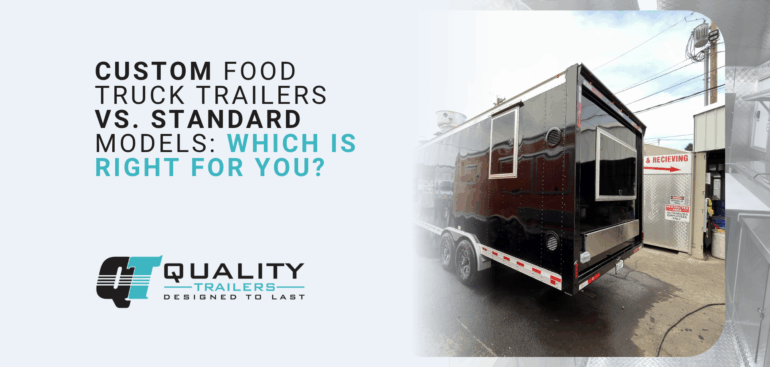
Custom Food Truck Trailers vs. Standard Models: Which Is Right for You?

Custom Food Truck Trailers vs. Standard Models_ Which Is Right for You_

Starting a mobile food business is an exciting venture, but one of the most critical decisions you’ll make is choosing between a custom food truck trailer and a standard model. This choice will impact your daily operations, brand identity, budget, and long-term success. Understanding the differences between these two options can help you make an informed decision that aligns with your business goals and culinary vision.

Understanding the Basics: What Makes Them Different?

A standard food truck trailer comes with pre-configured layouts and equipment packages designed for general food service operations. These models typically feature common kitchen arrangements with basic equipment already installed. They’re built to accommodate a wide range of food concepts without specific customization.

Custom food truck trailers, on the other hand, are designed from the ground up to meet your exact specifications. Every aspect of the trailer, from the layout and equipment selection to the exterior design and specialized features, is tailored to your menu, workflow, and brand identity. This personalized approach allows for maximum efficiency and unique operational capabilities.

Initial Investment and Budget Considerations

Standard models generally require a lower upfront investment. Because they’re built using standardized processes and bulk-purchased materials, manufacturers can offer competitive pricing. The predictable cost structure makes budgeting straightforward, and you’ll know exactly what you’re getting before committing to the purchase.

Custom builds require a larger initial investment due to the personalized design work, specialized equipment, and unique construction requirements. However, this investment often pays dividends through improved operational efficiency and the ability to execute your specific menu concept without compromise. The 50% down payment required to initiate a custom project reflects the commitment to creating something uniquely suited to your business needs.

Design Flexibility and Operational Efficiency

Standard trailers work well for entrepreneurs with straightforward menus that don’t require specialized equipment or unusual workflows. If you’re planning to serve typical food truck fare like burgers, tacos, or sandwiches, a standard model may provide everything you need without additional customization.

The real advantage of a custom food truck trailer emerges when your concept demands specific equipment configurations or workflow patterns. Perhaps you need a wood-fired pizza oven, specialized ventilation for high-heat cooking, or a particular arrangement of prep stations to maximize efficiency during rush periods. Custom designs accommodate these requirements seamlessly.

Equipment Selection and Quality

Standard models typically include mid-range equipment selected for versatility rather than specialization. While functional, this equipment may not perfectly match your operational needs or quality standards. Upgrades are sometimes possible but may be limited by the trailer’s existing infrastructure.

Custom builds allow you to specify exactly which equipment brands and models you want installed. Working with quality refrigeration brands and commercial-grade cooking equipment ensures reliability and longevity. You can also integrate customer-supplied equipment into your build, providing flexibility in sourcing specialized tools that might not be standard offerings.

Timeline to Launch

Time-to-market represents a significant consideration when choosing between custom and standard models. Standard trailers can often be delivered within weeks, allowing you to launch your business quickly. If speed to market is your primary concern and a standard configuration meets your needs, this option accelerates your timeline considerably.

Custom builds typically require 3-4 months from down payment to completion. This timeline includes design consultations, CAD drawing approval, health department plan submissions, construction, and final inspections. More complex projects involving features like porch trailers or pizza ovens may extend this timeframe. While longer, this process ensures your trailer meets all code requirements and performs exactly as needed.

Permitting and Code Compliance

Both custom and standard trailers must meet local health department requirements, but the path to compliance differs significantly. Standard models are built to general health codes, which may or may not align perfectly with your local jurisdiction’s specific requirements. You might face challenges during inspections if certain features don’t meet local standards.

Custom builders who specialize in code-compliant construction design your trailer to meet specific state and local requirements from the beginning. The process includes creating comprehensive plans that you submit to your local health department for pre-approval before construction begins. This proactive approach minimizes inspection issues and helps ensure smooth permitting.

Understanding Oregon’s custom food trailer permitting process can provide insight into how thorough planning prevents compliance problems down the road.

Brand Identity and Market Differentiation

In competitive food markets, standing out visually and operationally can make the difference between thriving and merely surviving. Standard trailers often look similar to dozens of others on the road, making it harder to establish a memorable brand presence. While exterior wraps can improve appearance, the underlying structure remains generic.

Custom designs create immediate brand differentiation. From the exterior appearance to the customer service window configuration, every element can reinforce your brand identity. This visual distinctiveness helps attract customers and creates memorable experiences that encourage repeat business and word-of-mouth marketing.

Workflow Optimization and Staff Efficiency

The internal layout of your trailer directly impacts how efficiently your team can prepare and serve food during busy service periods. Standard configurations may create bottlenecks or require awkward movements that slow down service and increase stress during rush times.

Custom layouts are designed around your specific workflow patterns. By positioning equipment and prep stations based on how your team actually works, you can minimize unnecessary movement and maximize productivity. This efficiency translates directly to shorter wait times, happier customers, and increased revenue during peak hours.

Resale Value and Long-Term Investment

Standard trailers typically maintain predictable resale values because potential buyers can easily understand what they’re purchasing. However, these values may depreciate more quickly as the units show wear and as newer standard models enter the market.

Well-designed custom trailers can actually command premium resale prices if they incorporate high-quality materials, professional craftsmanship, and versatile layouts. Buyers interested in your specific cuisine type or business model may pay more for a trailer that’s already optimized for their concept. The key is working with experienced custom food trailer builders who understand market demands.

Financing and Payment Options

Standard models often qualify for conventional equipment financing through banks and credit unions. The straightforward nature of these purchases makes loan approval relatively simple, with competitive interest rates available for qualified buyers.

Custom builds may require specialized financing arrangements due to their higher costs and longer construction timelines. Third-party financing companies that understand mobile food businesses can provide payment plans structured around the custom build process, with draws released at various project milestones.

Maintenance and Repair Considerations

Standard trailers use common equipment and standard construction techniques, making repairs and maintenance relatively straightforward. Parts are readily available, and many service technicians can work on standard commercial kitchen equipment without specialized training.

Custom trailers built with quality components and proper design actually simplify long-term maintenance. Features like accessible refrigeration systems with front-service compressors and properly sized electrical systems reduce repair frequency and complexity. However, highly specialized custom equipment may require specific service providers or longer lead times for replacement parts.

Adapting to Menu Changes and Business Evolution

Most food businesses evolve over time, refining menus and adjusting offerings based on customer feedback and market trends. Standard trailers offer limited flexibility for significant operational changes. Adding or replacing equipment may not be possible due to space constraints or infrastructure limitations.

Custom designs can incorporate flexibility for future adaptations. By planning for potential menu evolution during the initial design phase, you can ensure adequate electrical capacity, appropriate plumbing configurations, and modular equipment arrangements that accommodate future changes without requiring major renovations.

Making the Right Choice for Your Business

The decision between custom and standard ultimately depends on your specific circumstances, business goals, and financial situation. Consider a standard model if you have a straightforward menu concept, need to launch quickly, have limited startup capital, or are testing the mobile food business before making a larger commitment.

Choose a custom food truck trailer if your concept requires specialized equipment or layout, you want to create strong brand differentiation, you’re committed to long-term business growth, or you need to optimize workflow for maximum efficiency. The additional investment in customization pays returns through improved operations and competitive advantages.

For entrepreneurs starting a mobile food trailer business from scratch, understanding these differences helps you make strategic decisions that support long-term success.

Why Choose Quality Trailers Inc for Your Custom Food Trailer Project

Selecting the right builder for your mobile kitchen represents one of the most important business decisions you’ll make. Quality Trailers Inc brings over 23 years of manufacturing excellence to every project, having started in the trailer industry in 2001 and specializing in food trailers since 2010.

As a family-owned business based in Oregon, we understand that customers want more than just a kitchen on wheels. They need a comfortable, reliable unit that delivers amazing results every time. Our experience spans from construction trailers to cutting-edge solar panel food trailers launched in 2016, demonstrating our commitment to innovation and sustainability.

Every concession trailer rolling off our floor is permitted and built up to code, with our designer and project manager tracking every build stage to ensure compliance with California and Washington state specifications. We follow the highest industry standards to guarantee customer satisfaction, offering the best customized experience tailored to your unique vision. Our expertise in durable food trailer construction materials ensures your investment stands the test of time while maintaining peak performance.

Frequently Asked Questions

How long does it take to build a custom food truck trailer?

The standard build time for a custom food truck trailer is approximately 3-4 months from the initial down payment. More complex projects involving features like porch trailers or pizza ovens may require additional time. Your sales manager will provide a specific timeline based on your project’s complexity during the consultation process.

Can I finance a custom food trailer build?

Yes, financing options are available through third-party financing companies that specialize in mobile food business equipment. You can also work with local credit unions or other financial institutions of your choice. Custom builds typically require a 50% down payment to initiate the project, with an additional 40% due upon final shop entry and the remaining balance payable upon completion.

Will my custom trailer meet local health department requirements?

Custom trailers designed by experienced builders are created to meet specific state and local health codes. Once your project begins with the down payment and contract signing, the in-house designer creates comprehensive plans and specifications that you submit to your local health department for pre-approval. This process ensures compliance before construction begins, minimizing the risk of inspection issues.

What’s the difference in resale value between custom and standard trailers?

While standard trailers maintain predictable resale values, well-designed custom trailers can actually command premium prices when sold. Buyers seeking specific cuisine types or operational capabilities often pay more for trailers optimized for their particular concept. The key factors affecting resale value include build quality, equipment condition, layout versatility, and overall maintenance history.

Can I install my own equipment in a custom trailer?

Yes, reputable custom builders will install customer-supplied equipment. Installation typically includes necessary gas lines, electrical connections, testing, and proper mounting. There may be additional charges for specialized installations like shunt-trip breakers for certain electric equipment placed under ventilation hoods. This flexibility allows you to source specialized equipment while ensuring professional installation.
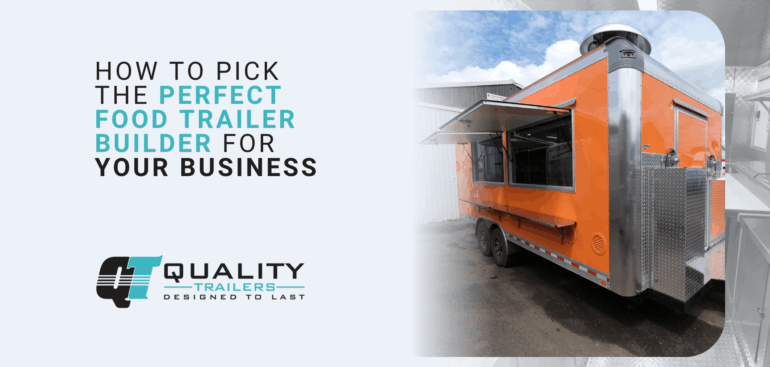
How to Pick the Perfect Food Trailer Builder for Your Business

How to Pick the Perfect Food Trailer Builder for Your Business

Starting a mobile food business represents an exciting entrepreneurial journey, but selecting the right partner to build your commercial kitchen on wheels can make or break your venture. The decision goes far beyond comparing price quotes; it involves evaluating expertise, understanding compliance requirements, and ensuring your builder can translate your culinary vision into a functional, code-compliant mobile kitchen. This comprehensive guide walks you through the essential factors to consider when choosing a food trailer builder, helping you make an informed decision that sets your business up for long-term success.

Understanding the Mobile Food Industry Landscape

The mobile food industry has experienced remarkable growth over the past decade, transforming from simple hot dog carts to sophisticated culinary operations on wheels. Today’s food trailers serve everything from gourmet cuisine to specialized dietary options, requiring advanced equipment and thoughtful design.

Before diving into builder selection, it’s important to understand what makes this industry unique. Mobile food operations face distinct challenges including space optimization, equipment efficiency, and regulatory compliance that varies by jurisdiction. A quality food trailer must function as a complete restaurant kitchen while fitting within the footprint of a towable trailer, all while meeting health department standards and safety codes.

The initial investment in a properly built trailer pays dividends through operational efficiency, reduced maintenance costs, and the ability to pass inspections without costly modifications. Entrepreneurs who rush this decision often discover expensive problems down the road, from equipment failures to code violations that prevent them from operating in certain locations.

Essential Qualities in a Food Trailer Builder

Industry Experience and Specialization

When evaluating potential builders, prioritize those who specialize specifically in food trailers rather than general trailer construction. The requirements for a mobile commercial kitchen differ dramatically from those of a cargo or utility trailer. Experienced builders understand food service equipment integration, ventilation requirements, plumbing systems, and the unique electrical demands of commercial cooking equipment.

Look for builders with a proven track record spanning multiple years. Those with extensive portfolios demonstrate their ability to handle diverse project types, from coffee trailers to full-service kitchens. Ask about their experience with your specific type of food operation, whether it involves pizza ovens, fryers, or specialized equipment for ethnic cuisines.

Compliance Expertise and Code Knowledge

Perhaps the most critical factor when selecting a builder involves their knowledge of health department regulations and building codes. Different states and municipalities enforce varying requirements for mobile food operations. California health codes differ from Washington L&I standards, which differ from other jurisdictions across the country.

Professional builders stay current with these regulations and build trailers that meet or exceed local requirements. They should provide complete plan sets drawn by experienced designers, documents you’ll submit to your health department for pre-approval. This proactive approach prevents costly modifications after construction and ensures you can operate legally in your target markets.

Evaluating Builder Credentials and Capabilities

Portfolio Review and Past Projects

Request to see completed projects similar to your concept. Quality builders maintain photo galleries or physical locations where you can view finished trailers. Pay attention to craftsmanship details: clean welds, professional finish work, logical equipment layouts, and thoughtful storage solutions.

Don’t just look at exterior aesthetics. Examine interior functionality, asking questions about workflow efficiency, equipment accessibility for maintenance, and how the layout accommodates staff movement during busy service periods. Well-designed trailers reflect both technical skill and practical food service knowledge.

Design and Customization Process

The design phase sets the foundation for your entire operation. Exceptional builders offer comprehensive design services, starting with understanding your menu, workflow preferences, and business goals. They should provide detailed floor plans showing equipment placement, electrical systems, plumbing layouts, and storage areas.

Ask about their design process timeline and revision policies. Reputable builders typically produce initial floor plans within one to two weeks after contract signing, allowing time for your review and approval before creating complete plan sets. This iterative approach ensures the final design meets your specific needs while maintaining code compliance.

Technical Considerations and Build Quality

Construction Materials and Standards

The materials used in trailer construction directly impact durability, maintenance requirements, and longevity. High-quality builders use commercial-grade stainless steel for food prep surfaces, durable flooring materials that withstand constant traffic and cleaning, and proper insulation for temperature control and equipment efficiency.

Roof construction deserves special attention. Look for builders who use one-piece aluminum sheet roofing with anti-snag roof bows on appropriate centers, creating crowned designs that prevent water and ice pooling. This construction method significantly reduces leak potential compared to sectioned roofing.

Electrical systems should meet commercial standards with appropriate circuit capacity for all equipment, proper grounding, and safety features like shunt-trip breakers for equipment under ventilation hoods. Plumbing systems need adequate fresh water capacity, properly sized grey water tanks, and NSF-rated pumps with appropriate PSI ratings.

Equipment Integration and Installation

While some entrepreneurs purchase equipment separately to save money, professional installation ensures proper integration with your trailer’s systems. Experienced builders understand gas line sizing, ventilation requirements, refrigeration unit breathing needs, and electrical demands for various equipment types.

When builders install equipment, they typically include necessary connections, testing, and integration with safety systems. For refrigeration units, this means installing wall vents for proper airflow, positioning make-up air fans correctly, and ensuring compressor accessibility for future maintenance. For cooking equipment, it involves proper gas line installation, leak testing, and integration with fire suppression systems.

Financial Considerations and Payment Structure

Pricing Transparency and Payment Terms

Understanding the complete cost structure helps you budget appropriately and avoid surprises. Reputable builders provide detailed quotes breaking down base trailer costs, equipment expenses, customization fees, and any additional charges for specialized features.

Standard payment structures typically require a substantial down payment to initiate the project, with additional payments at specific milestones and final payment upon completion. This structure protects both parties, ensuring builders have resources to purchase materials while giving you leverage to ensure quality completion.

Be wary of builders requiring full payment upfront or those with vague pricing. Quality builders stand behind their work and don’t need to collect everything before starting construction.

Financing Options and Resources

Many entrepreneurs need financing assistance to purchase their trailers. While most builders don’t offer in-house financing, established companies maintain relationships with specialized lenders who understand mobile food business financing. These third-party financing companies often provide better terms than traditional lenders because they specialize in this industry.

Additionally, local credit unions sometimes offer competitive rates for small business equipment purchases. Exploring multiple financing options helps you secure the best terms for your situation.

Timeline Expectations and Project Management

Realistic Build Schedules

Understanding typical construction timelines helps you plan your business launch appropriately. Standard food trailer builds generally require three to four months from down payment to completion. However, complex projects involving specialized equipment like pizza ovens, porch extensions, or unusual configurations may require additional time.

Quality builders communicate realistic timelines upfront and provide project updates throughout the construction process. They maintain organized schedules, tracking each stage from design approval through final inspection.

Communication and Project Tracking

Effective communication separates exceptional builders from mediocre ones. Your builder should assign a dedicated project manager or point of contact who keeps you informed about construction progress, addresses questions promptly, and coordinates any necessary changes.

Ask about their communication practices during the selection process. How often will you receive updates? Can you visit during construction to see progress? Do they provide photo updates? Clear communication prevents misunderstandings and ensures your trailer meets expectations.

Regional Considerations and Code Compliance

State-Specific Requirements

Mobile food operations face different regulatory environments depending on their operating locations. If you plan to operate in California, your builder should understand California state code requirements and be able to pass inspections at their facility before delivery. The same applies for Washington state operations, which require L&I approval, or any other jurisdiction where you intend to operate.

Builders familiar with multiple state codes provide significant advantages, especially if you plan to travel to different markets or potentially relocate your business. They build trailers that meet the most stringent requirements, ensuring wider operational flexibility.

Local Health Department Coordination

Beyond state-level codes, local health departments often have specific requirements for mobile food operations. Professional builders help navigate this process by providing complete plan sets you can submit for pre-approval before construction begins.

This proactive approach allows health departments to review your proposed setup, raise concerns, and request modifications before construction. Making changes on paper costs far less than modifying a completed trailer. Quality builders work with health departments to address concerns, ensuring your trailer passes final inspection after completion.

After-Sale Support and Warranty Coverage

Equipment Warranties and Support

Understanding warranty coverage for your trailer and installed equipment provides peace of mind and protects your investment. Quality refrigeration brands offer comprehensive warranties covering parts, labor, and compressors for extended periods. Reputable builders install equipment from manufacturers with strong warranty support and accessible service networks.

Ask specific questions about what warranties cover, how long they last, and what actions might void coverage. Also inquire about the builder’s own warranty on their construction work, including structural components, electrical systems, and plumbing installations.

Ongoing Maintenance and Service Resources

Even the highest-quality trailers require maintenance over time. Builders who maintain long-term relationships with their clients often provide guidance on maintenance schedules, troubleshooting support, and connections to service providers for equipment repairs.

Some offer maintenance services themselves or partner with service companies to support their clients. This ongoing relationship demonstrates confidence in their work and commitment to client success beyond the initial sale.

Making Your Final Decision

Comparing Multiple Builders

Never select a builder based solely on price or a single factor. Create a comparison matrix evaluating multiple builders across the criteria discussed in this guide: experience, code knowledge, build quality, communication, timeline, pricing structure, and support services.

Schedule consultations with your top candidates, asking detailed questions about their processes, viewing their facilities if possible, and speaking with past clients about their experiences. These conversations reveal important details about working relationships and help you assess which builder aligns best with your needs and values.

Red Flags to Avoid

Certain warning signs should immediately raise concerns about a potential builder. These include reluctance to provide references, inability to show completed projects, vague answers about code compliance, unwillingness to provide detailed contracts, or pressure to make immediate decisions without proper evaluation time.

Also be cautious of builders who seem unfamiliar with health department processes, who can’t explain their design approach, or who offer prices significantly below market rates. While budget concerns are valid, extremely low pricing often indicates corners being cut in materials, construction quality, or code compliance.

Why Choose Quality Trailers Inc for Your Custom Food Trailer Project

For over two decades, Quality Trailers Inc has been helping entrepreneurs transform their culinary dreams into successful mobile food businesses. As a family-owned company based in Oregon, we’ve manufactured outstanding food trailers since 2010, building on our 23-year foundation in the trailer industry that began with construction trailers in 2001.

Every food trailer that rolls off our floor is permitted and built up to code, with our in-house designer and project manager tracking every build stage to ensure compliance. Our CAD design expertise allows us to create precise floor plans and complete specification sets that satisfy health departments across multiple jurisdictions. We’ve successfully built trailers meeting California state codes, Washington L&I standards, and various local requirements throughout the region.

Our commitment to innovation drives us to stay ahead of industry trends. In 2016, we launched solar panel food trailers, providing entrepreneurs with energy-efficient options that reduce operating costs and expand location possibilities. We understand that customers want more than just a kitchen on wheels; they want comfortable, reliable units that deliver amazing results every time while standing up to the rigors of daily commercial use.

Quality Trailers Inc offers a personalized approach to every project, following the highest industry standards to guarantee customer satisfaction. Our comprehensive process begins with understanding your vision and continues through design, construction, and beyond completion. We’re not just building trailers; we’re partnering with you to create the foundation for your successful food business.

Frequently Asked Questions

What should I look for in a food trailer builder’s portfolio?

When reviewing a builder’s portfolio, examine both the variety and quality of completed projects. Look for trailers similar to your concept, paying attention to interior layouts, equipment integration, finish quality, and overall craftsmanship. Quality builders showcase projects demonstrating their ability to handle different cuisines, equipment types, and trailer sizes. Also observe whether their completed trailers appear functional for actual food service operations, not just aesthetically pleasing.

How long does it typically take to build a custom food trailer?

Standard food trailer construction typically requires three to four months from down payment to completion. This timeline includes design development, material procurement, construction, equipment installation, testing, and final inspections. More complex projects involving specialized equipment, custom features, or unusual configurations may require additional time. Reputable builders provide realistic timelines upfront and communicate any potential delays promptly.

Do I need to purchase equipment separately or should my builder install everything?

While you can purchase equipment separately, having your builder install it offers significant advantages. Professional builders understand proper integration with your trailer’s gas lines, electrical systems, ventilation, and plumbing. They ensure equipment meets code requirements, functions correctly, and is positioned optimally for your workflow. Installation by experienced builders typically includes testing, necessary connections, and warranty support that you might lose with self-installation.

How do I ensure my food trailer will meet local health department requirements?

Select a builder experienced with health department regulations in your operating area. They should provide complete plan sets showing your trailer layout, equipment specifications, plumbing systems, and electrical details that you’ll submit to your health department for pre-approval before construction begins. This process allows inspectors to review your proposed setup and request modifications before the trailer is built, preventing costly changes after completion. Quality builders work directly with health departments to address concerns and ensure compliance.

What warranties should I expect on a custom food trailer?

Warranty coverage should include both the builder’s construction work and installed equipment. Reputable refrigeration manufacturers typically offer three-year parts and labor warranties, five-year electrical coverage, and ten-year compressor warranties on most units. Structural components, electrical systems, and plumbing should carry warranties from your builder. Ask for specific warranty terms in writing, understanding what they cover, duration, and any actions that might void coverage. Quality builders stand behind their work and install equipment from manufacturers with strong warranty support and accessible service networks.