Revenue in the food trailer business is not just a function of location and menu pricing. The physical design of the trailer determines how many customers a trailer can serve per hour, how efficiently the team works during a rush, and whether passersby stop or walk past. Operators who treat design as an aesthetic decision leave money on the table every single service day.
The Revenue Impact of Kitchen Layout
The layout of the kitchen determines throughput. Throughput determines revenue. An operator who can produce 80 covers per hour in a well-designed kitchen will gross more in a four-hour lunch service than one producing 50 covers per hour in the same location with the same menu and the same prices.
Equipment Placement and Peak Throughput
A refrigerated chef base positioned directly under the griddle eliminates the need for a cook to turn, walk, open a separate cooler, retrieve a protein, and return to the cooking surface. Similarly, a dedicated fryer zone positioned away from the assembly station prevents the most common bottleneck in burger and chicken operations. Designing these zones into the floor plan from the start is one of the highest-return investments a food trailer operator can make. browse the full portfolio of completed builds shows how different concepts translate into distinct layout strategies.
Service Window Design and Customer Experience
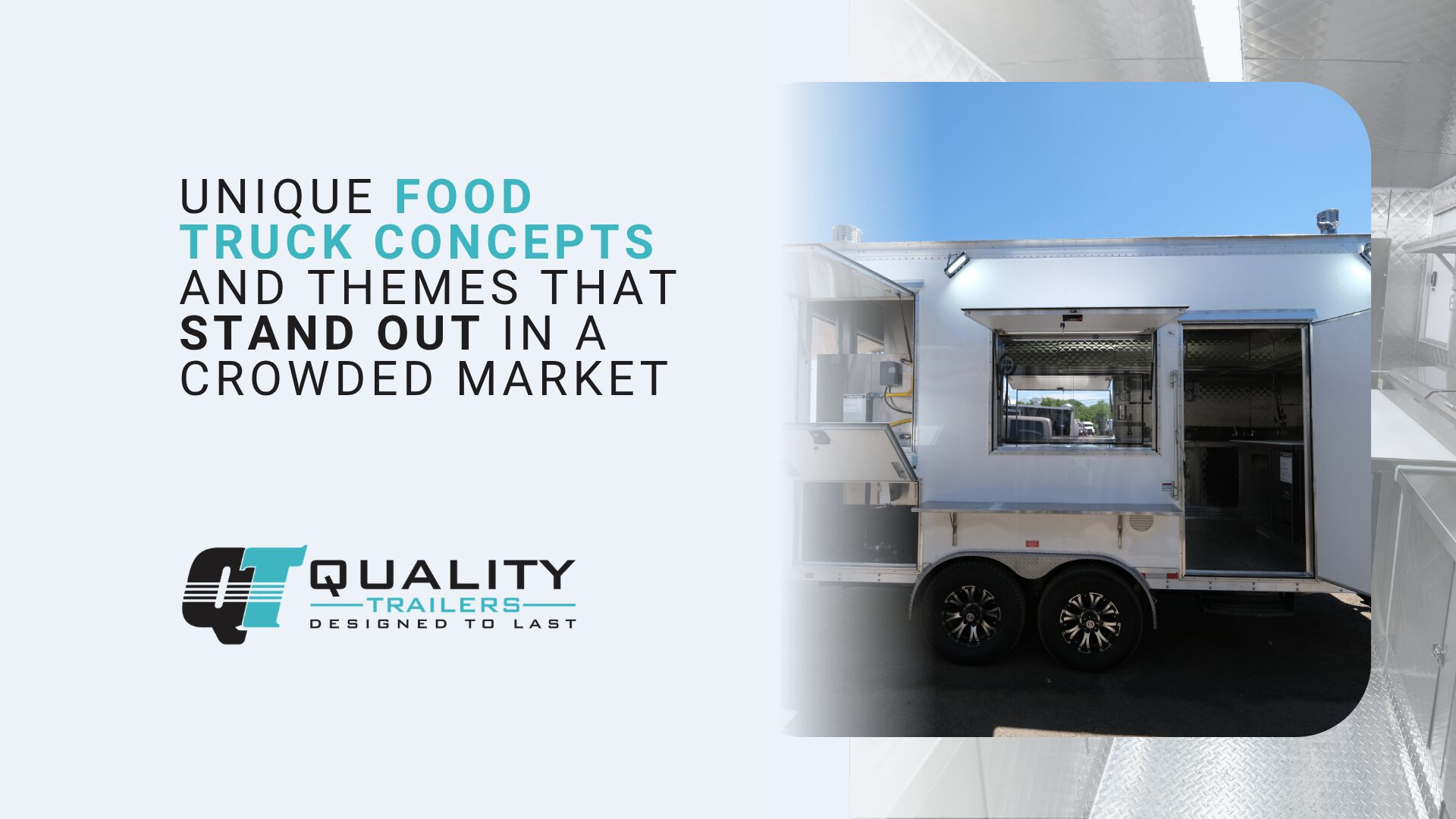
The service window is where revenue is collected, and its design directly affects how quickly that collection happens. A service window positioned close to the final assembly station reduces handoff distance. A window wide enough to process multiple completed orders simultaneously eliminates the single-file bottleneck that slows service during rushes.
Visibility as a Revenue Driver
Customers who can see the food being prepared are more likely to order and more likely to return. Live-cook visibility, whether through a full-width window, a glass panel, or an open-format service counter, converts browsers into buyers at a higher rate than opaque designs.
Exterior Design as Revenue Generation
Wraps, Paint, and Brand Identity
A professionally designed wrap that accounts for service window placement, ventilation cutouts, and door locations creates a cohesive brand presence that works from every angle. For a deeper look at how material selection affects both visual longevity and operational durability, the guide on best materials for durable food trailer builds covers the relationship between materials and long-term appearance.
Lighting and Nighttime Revenue
Exterior LED lighting along the roofline, around the service window, and under awnings extends the effective operating window and creates an inviting presence at evening events where many vendors fade into the background.
Technology Integration and Order Speed
Digital menu displays allow real-time updates to pricing and sold-out items. Point-of-sale systems configured for mobile operation and contactless payment reduce transaction time per customer, directly increasing throughput. Sound systems integrated during the build create an atmosphere that draws customers from farther away.
Choosing a Builder Who Understands Revenue, Not Just Construction
The builder who designs your trailer makes decisions that affect your revenue every service day for the lifetime of the trailer. A builder who starts with a full CAD floor plan reviewed and approved by the customer before fabrication, and who understands the workflow of your specific menu, is not just building a kitchen. They are engineering your earning potential. custom food trailer builder page explains what a design-first build process looks like in practice.
Quality Food Trailers is a family-owned manufacturer based in Portland, Oregon, with over 25 years of experience and more than 950 completed builds. Every trailer is designed, fabricated, and inspected in-house. Explore custom food trailer pricing or visit qualityfoodtrailers.com to start the build conversation.
Frequently Asked Questions
How does food truck design affect daily revenue?
Kitchen layout determines throughput, and throughput determines how many covers you can serve per service hour. A well-designed kitchen eliminates backtracking, reduces ticket times, and allows staff to work without interfering with each other during rushes. The difference between an efficient and an inefficient layout at the same location and price point can be 20 to 40 percent more covers per service.
What is the most important design element for increasing food truck revenue?
Kitchen workflow layout has the highest direct impact on daily revenue because it determines throughput. Service window placement and exterior visibility are the next most impactful elements. All three work together rather than independently.
Does a full trailer wrap increase revenue?
A professionally executed wrap that creates strong brand recognition and stopping power at distance consistently produces higher daily cover counts compared to trailers with unclear or minimal exterior branding. The return on investment for a quality wrap is typically recouped within the first operating season.
How does exterior lighting affect food trailer revenue?
Exterior lighting directly extends revenue-generating hours by making the trailer visible and inviting after dark. At evening events and night markets where many trailers fade into the background, well-lit trailers command a disproportionate share of walk-up traffic.
What design feature do most food truck operators underinvest in?
Storage is the most commonly underinvested area. Operators who run out of prep space or cannot access supplies quickly during service create unnecessary slowdowns that reduce throughput. Under-counter storage and vertical organization planned into the build from the start eliminates this problem.